
How to Stop Dog Shedding & How to Remove Dog Hair From Clothes (Complete DVM Guide)
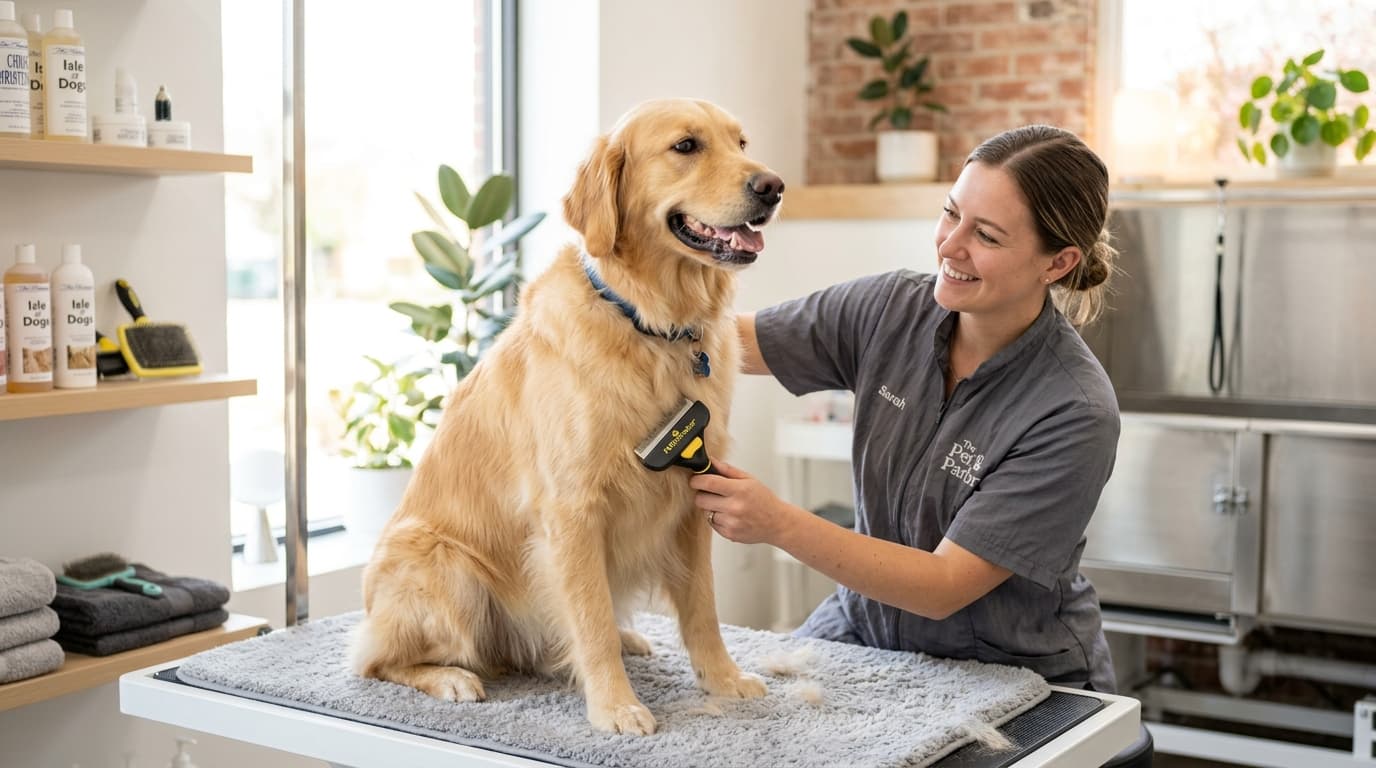
Table of Contents
1. Understanding the Canine Hair Growth Cycle
Canine hair growth occurs in four distinct physiological phases within the dermal hair follicle:
- Anagen Phase (Growth): The follicle actively produces new keratin fibers. The duration of Anagen determines max coat length (longer in Poodles, shorter in Labradors).
- Catagen Phase (Regression): Hair growth stops, and the outer root sheath attaches to the hair shaft to form a club hair.
- Telogen Phase (Resting): The hair remains dormant in the follicle until triggered to shed.
- Exogen Phase (Shedding): The old hair shaft is released as a new Anagen hair emerges from beneath.
2. Normal Seasonal Blowout vs. Medical Shedding
Double-coated breeds (Golden Retrievers, Huskies, German Shepherds, Labradors) undergo biannual coat blowouts triggered by changes in sunlight photoperiods during spring and autumn. However, excessive shedding outside these windows can indicate underlying medical conditions such as hypothyroidism, Cushing's disease, ringworm fungal infection, or flea allergy dermatitis.
3. 5 Veterinary-Approved Steps to Stop Dog Shedding
The 5-Step Deshedding Protocol
- Daily Undercoat Raking: Use a dual-length stainless steel undercoat rake 3x weekly to remove loose Telogen undercoat fur before it drops onto your carpet.
- High-Velocity Force Drying: After bathing, use a high-velocity pet dryer (without heat) to blow out trapped undercoat fur.
- Omega-3 Salmon Oil Supplementation: Add 75-100 mg EPA/DHA per kg body weight to strengthen follicle root attachment.
- Hydration Optimization: Dehydrated skin triggers hair follicle atrophy. Check daily fluid needs with our Water Intake Calculator.
- Rubber Curry Brush Massage: For short-haired breeds (Boxers, Pugs), massage in circular motions with a rubber ZoomGroom brush.
4. How Often Should You Bathe Your Dog?
A common question pet parents ask is "how often should you bathe your dog?" Over-bathing strips the epidermis of protective sebum oils, leading to dry, flaky skin dander and accelerated hair shedding.
- Indoor / Low-Activity Dogs: Bathe once every 4 to 6 weeks.
- Outdoor / Active Dogs: Bathe once every 2 to 3 weeks using a soap-free colloidal oatmeal shampoo.
- Double-Coated Breeds: Bathe during seasonal spring/fall blowouts with a DVM deshedding conditioner.
5. Nutrition & Omega-3 Fatty Acid Dosing for Coat Health
Diet is the foundation of coat integrity. Essential Fatty Acids (EFAs), specifically Eicosapentaenoic Acid (EPA) and Docosahexaenoic Acid (DHA), decrease systemic inflammatory cytokines (PGE2) in the dermis.
6. How to Remove Dog Hair From Clothes & Furniture
Struggling with pet hair embedded in your laundry and couches? Here are 4 proven hacks to remove dog hair from clothes effortlessly:
Hack 1: Pre-Wash Dryer Cycle
Tumble dry hair-covered clothes on 'Air Fluff' (no heat) with 2 microfiber towels for 10 minutes BEFORE washing. Static release pulls fur into the lint trap.
Hack 2: Damp Rubber Dishwashing Gloves
Dampen yellow rubber dishwashing gloves with tap water and wipe your hands across fabric sofas or pants. Friction rolls hair into tight, easily pickable rolls.
Hack 3: Laundry Vinegar Additive
Add 1/2 cup of distilled white vinegar to your washing machine rinse cycle. Vinegar relaxes fabric fibers, releasing trapped pet hair during spin cycles.
Hack 4: Silicone Pet Hair Squeegee
For woven carpets and car interiors, scrape firmly with a silicone edge squeegee to lift deeply woven undercoat hairs.
7. Frequently Asked Questions (FAQ)
Why is my dog shedding so much suddenly?
Sudden excessive shedding can stem from seasonal photoperiod changes, stress, dietary deficiencies, or medical triggers like hypothyroidism and skin allergies.
Does shaving a double-coated dog stop shedding?
NO! Shaving double-coated breeds (Huskies, Labs, Shepherds) damages the hair follicle structure, causes coat alopecia, and impairs thermal regulation.